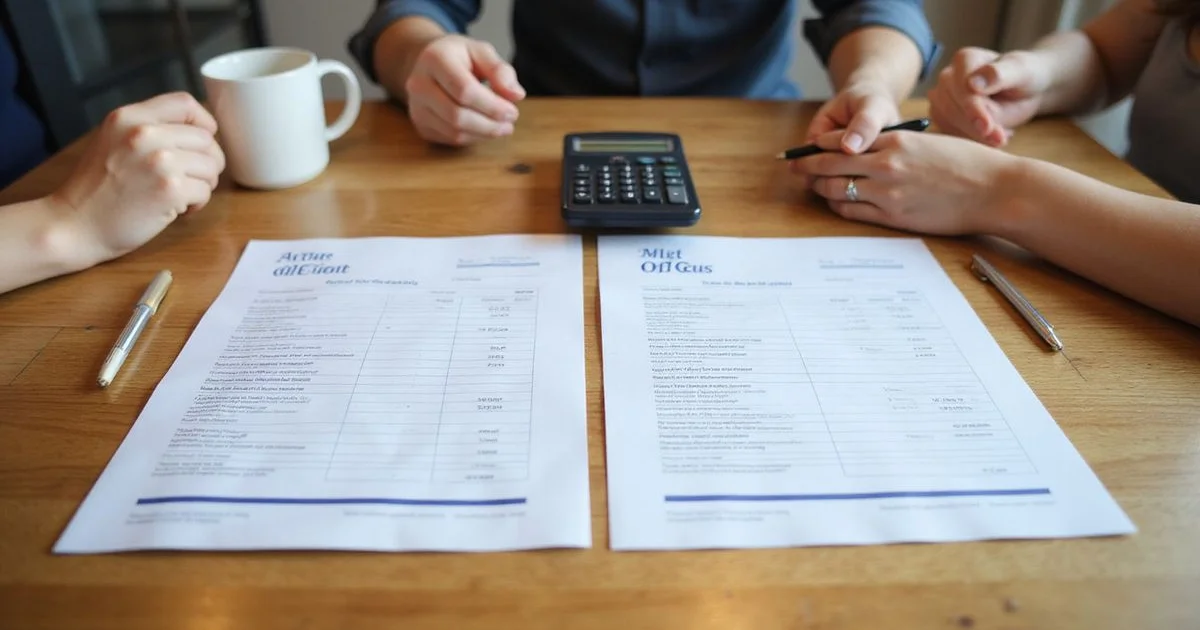
The answer first
$1,082 against $1,146. The 15-month lease wins by $64 a month.
That is the finding for the case below, run the way true monthly cost runs every offer. The reason is arithmetic, and the caveat is renewal.
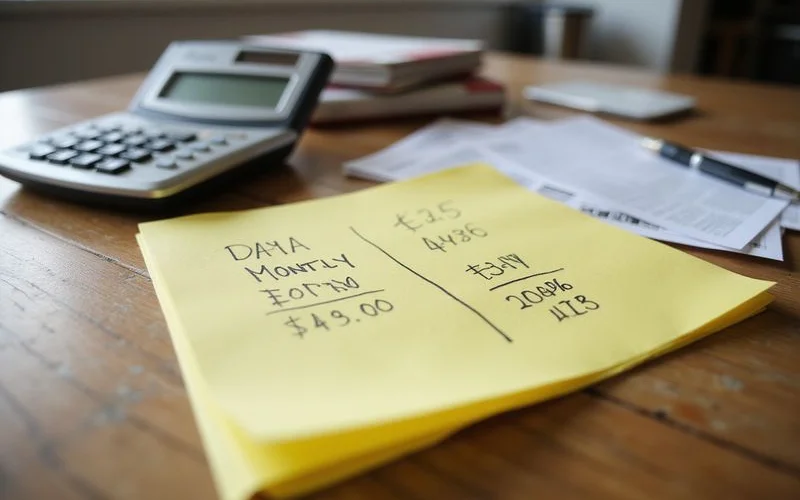
The case
Same building, same floorplan, two offers at $1,250 headline rent.
| Offer A | Offer B | |
|---|---|---|
| Term | 15 months | 12 months |
| Concession | 2 months free | 1 month free |
| Daily rate | $41.10 | $41.10 |
| Lease days | ~456 | 365 |
| Free days | ~61 | ~30.4 |
| Gross lease cost | $18,750 | $15,000 |
| Concession value | $2,507 | $1,249 |
| Net lease cost | $16,243 | $13,751 |
| Effective monthly | $1,082 | $1,146 |
The daily rate is (monthly rent × 12) ÷ 365 in both cases. See how effective rent works if you want the derivation.
Why the longer term wins here
Two months free is roughly 61 days. One month free is roughly 30. The extra 31 free days are worth about $1,274 at this daily rate, and spreading them across three additional months still leaves a larger per-month reduction.
That is the general pattern: when the concession scales faster than the term does, the longer lease wins on effective rent.
It is not a rule. A 15-month offer with six weeks free against a 12-month offer with one month free is much closer, and can go the other way. Run both rather than assuming.
What the number does not include
The fee stack. Identical in this case because it is the same building. Across two different buildings it can be worth more than the $64 and needs adding before you rank them.
The clawback. If the concession is repayable on an early break, offer A carries that exposure for 15 months rather than 12. Three extra months of exposure is a real cost if there is any chance you leave.
The renewal. This is the one that matters most.
Concessions apply to year one
Month sixteen resets toward market on offer A; month thirteen on offer B. Ask what the unit renewed at last year and whether the concession repeats. If it does not, the $64 you won in year one can be dwarfed by the reset.
The seasonal effect nobody mentions
A 15-month lease signed in March expires in June. A 12-month lease signed in March expires in March.
Dallas leasing is seasonal: summer is peak lease-up and concessions read differently in July than in February. Which season your renewal or your next search lands in is a genuine variable, and a 15-month term is sometimes chosen for exactly that reason rather than for the concession.
How to decide
- Convert both offers to effective monthly rent.
- Add each building’s fee stack to get true monthly cost.
- Ask the clawback question on both.
- Ask what the unit renewed at last year on both.
- Ask yourself honestly whether 15 months is realistic.
If the answer to step 5 is yes, the longer term usually wins. If it is uncertain, the $64 is not worth the exposure.