Summer is peak lease-up in Dallas, and a July concession is not the same instrument as a February one. Two things change with the season, and both change what an offer is worth.
What the season does
Free days are longer. Concessions written as a named month are worth their calendar length. A free July is 31 days; a free February is 28. At a $60 daily rate that is $180 of difference on the same “one month free” headline.
Competition is higher. More renters move in June, July, and August than in any other quarter, which means a building filling in summer has less need to discount than the same building filling in January. The deepest offers of the year frequently sit outside peak season.
Convert first, compare second
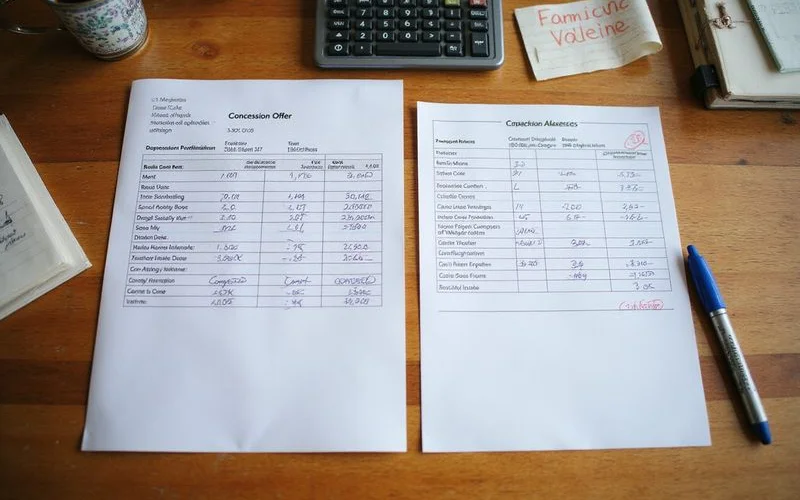
The method does not change with the season.
Daily rate = (monthly rent × 12) ÷ 365
Multiply by the days in the lease, subtract the free days at that rate, divide by the lease months. That is your effective monthly rent.
A $1,500 unit on a 12-month lease with six weeks free:
- Daily rate $49.32
- Gross lease cost $18,000
- 42 free days = $2,071
- Effective monthly $1,327
The sign said $1,500. Six weeks free is 42 days, not a month and a half.
Where the deeper offers are this summer
Supply, not season, drives concession depth. Concentrated recent construction produces lease-up buildings, and a lease-up building has occupancy targets and a marketing budget.
In this market that means the Design District inside the city, which has absorbed a large share of recent high-rise construction, and the Frisco and Allen-McKinney corridor to the north. Uptown lease-ups run deep too — Uptown averaged $2,802 in July 2026, up 5.66% year over year (RentCafe/Yardi Matrix, verified July 2, 2026), which is a rising submarket with new product still filling.
Look-and-lease specials, waived administrative fees, and pre-leasing discounts show up in the same buildings for the same reason.
Three checks before you take a summer offer
1. The fee stack. A concession does not touch amenity, parking, package, valet trash, pest, pet rent, RUBS, or bulk internet. Two buildings quoting the same rent can be $200 a month apart on the stack alone, which is larger than most concessions are worth per month.
2. The clawback. Break early and the free rent usually becomes repayable. The terms sit in a lease addendum rather than the lease body. Summer signings frequently belong to people who have just moved for work, which is exactly the group most likely to move again.
3. The renewal, and when it lands. Concessions apply to year one. A 12-month lease signed in July renews in July, back into peak season with the reset applied. A 13- or 15-month term moves the renewal into a softer month, and that is sometimes worth more than the concession difference.
| Sign in July, 12-month | Sign in July, 15-month | |
|---|---|---|
| Renewal lands | July, peak season | October, softer |
| Concession applies | Year one only | Year one only |
| Reset exposure | Peak-season pricing | Off-peak pricing |
What to ask this month
- Is the concession a fixed day count or a named calendar month?
- Does the free rent claw back on an early break, fully or prorated?
- What did this unit renew at last year, and does the concession repeat?
- Can I see the full fee schedule, including whether internet is bulk?
- Is the unit vacant-ready today, or on notice?
Every figure we send carries the date we verified it, and our list can still be wrong — a community did not update its system, or someone applied twenty minutes ago. Tell us and we re-verify and resend the same day.
Send the offer and we will price it properly. — Read a Dallas concession the right way