The three, on numbers
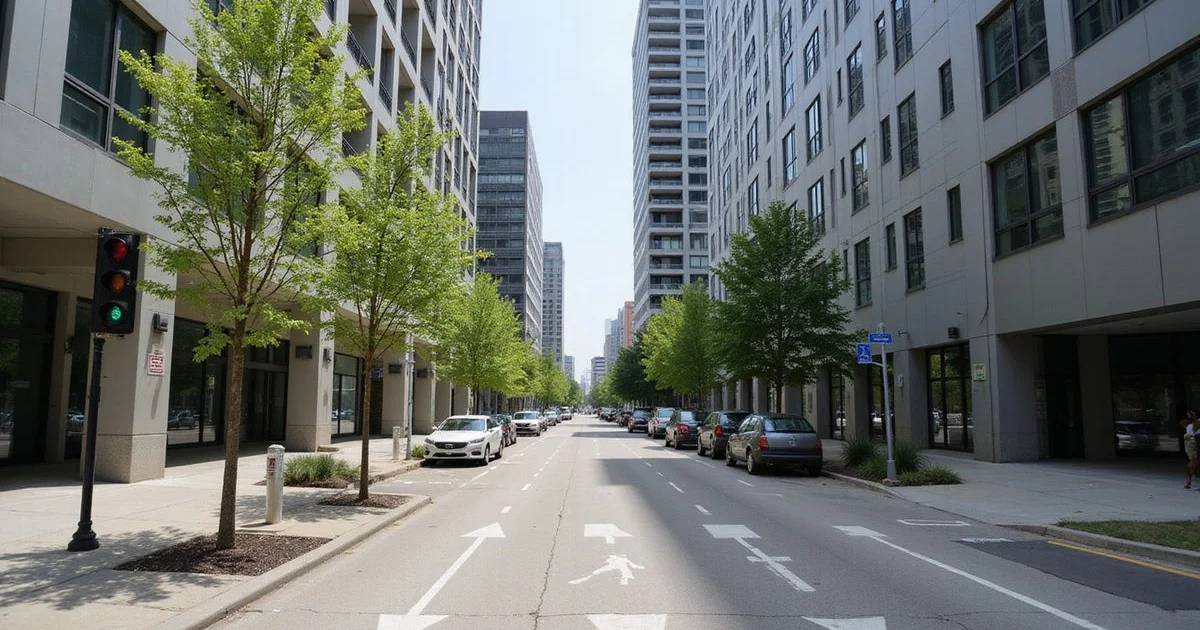
Uptown averaged $2,802 a month in July 2026, up 5.66% year over year (RentCafe/Yardi Matrix, verified July 2, 2026). That is the highest submarket average in the metro. Downtown, for reference, averaged $2,049 over the same period, down 0.23%.
Submarket averages orient you. They do not price a lease. Inside any of these three, individual buildings vary by hundreds of dollars a month once the concession and the fee stack are applied.
| Uptown | Victory Park | Turtle Creek | |
|---|---|---|---|
| Density | Highest high-rise concentration | Tower cluster around the arena district | Lower density, boulevard frontage |
| Stock age | Mixed, with substantial recent construction | Predominantly newer tower product | Established high-rise addresses |
| Concession depth | Deep in lease-up buildings | Deep in lease-up buildings | Generally shallower |
| Fee stack | Heavy — garage, valet trash, amenity, package | Heavy | Heavy, varies by building age |
| Transit | Cityplace/Uptown DART, McKinney Ave trolley | Victory Station, DART Green and Orange | Limited rail; drive or bus |
| Main corridors | Dallas North Tollway, US-75 | Woodall Rodgers, I-35E | Dallas North Tollway, Oak Lawn Ave |
Uptown
The densest high-rise stock in the metro and the highest average. McKinney Avenue is the spine, with the free trolley running its length and the Katy Trail on the western edge.
Concessions cluster in the newer buildings along McKinney and around West Village. That is where the daily-rate math matters most: six weeks free is 42 days, and converting before comparing frequently reverses a ranking. See luxury and high-rise locating for the method.
Cityplace/Uptown Station serves the eastern edge, which makes the eastern blocks materially different from the western ones for a car-free renter.
Victory Park
Tower stock concentrated around the arena and the Harwood District edge, with direct access to Woodall Rodgers Freeway and I-35E. Victory Station sits on the DART Green and Orange lines.
The building stock skews newer than Uptown’s on average, which means the fee stacks tend to be complete — garage parking, valet trash, package lockers, amenity fees, and frequently mandatory bulk internet all present.
Event traffic is a genuine logistical variable here rather than a lifestyle one. Ask about garage access and guest parking on event nights before you sign.
Turtle Creek
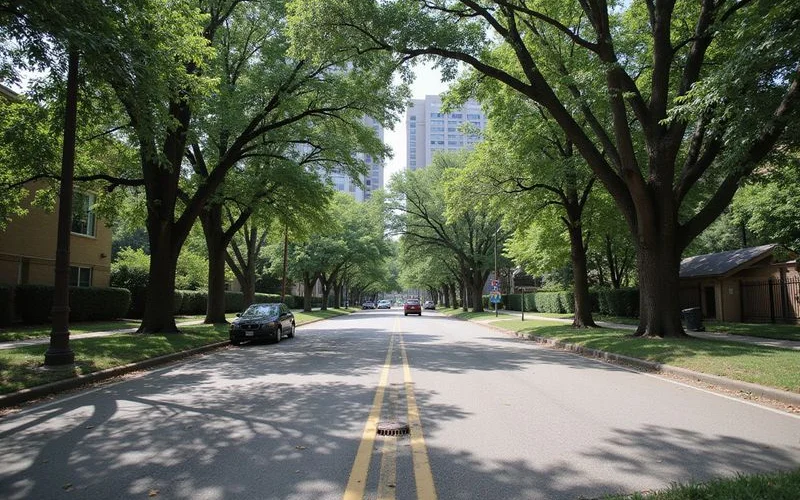
Established high-rise addresses along Turtle Creek Boulevard, at lower density than either of the others. Building age spans several decades, and the older towers behave differently from new construction on almost every variable that matters.
Concessions are generally shallower here because less of the stock is in lease-up. That changes what decides a comparison: with a smaller concession spread, the fee stack usually determines which of two buildings is actually cheaper.
Rail access is limited. Most residents here drive, which makes parking cost a smaller variable than it is Downtown but not a zero one.
What we do not compare on
We describe price, terms, building stock, commute, and transit. We do not characterize neighborhood safety and we do not describe who a submarket is for. Those framings correlate with protected characteristics and are the clearest steering exposure a locator has.
How to actually choose between them
Ignore the submarket average. It is a starting point and nothing more.
- Pick two or three specific buildings across the three submarkets.
- Convert each concession to a daily rate and get the effective monthly rent.
- Add each building’s fee stack — see high-rise fees for what belongs in it.
- Ask the clawback question on each.
- Ask what each unit renewed at last year.
- Compare drive time or transit time to your actual address, at your actual departure hour.
The answer that comes out of that is usually not the building with the lowest sign rent, and it is frequently not in the submarket you started in.
Send us the buildings you are weighing. Back comes all six answers with a verification date on each.